Number of records: 1,260
Recorded in: 341 1km grid squares
Date of most recent record: 01 ix 2024
Identification difficulty
: 2Species where care is needed for identification. Should not present any difficulty for experienced recorders, but inexperienced recorders may be expected to provide additional evidence in the form of photographs of reasonable quality that show as many of the identification features as possible or, alternatively, a specimen. Even experienced recorders may be expected to provide additional evidence if the record is outside of the normal flight period or geographical range of the species.
Resident. Females usually occur singly or sparingly at mv light in a wide range of habitats, while males are sometimes fairly common flying by day. Well distributed. Single-brooded flying mainly from mid July to early to the third week of August, occasionally from early June or to the second week of September. Larvae feed on hawthorn, sloe, bramble, hazel, honeysuckle, veronica, heather, camellia, periwinkle, garden rose, broom and spruce. (Pratt, 2011)
female Seaford, 18 viii 2020 Photo: Bob Eade
mating Abbots Wood, East Sussex, 23 vii 2010 Photo: Nigel Kemp
Battle, East Sussex, 03 viii 2020 Photo: David Gardiner
Findon, 03 viii 2020 Photo: John Christlieb
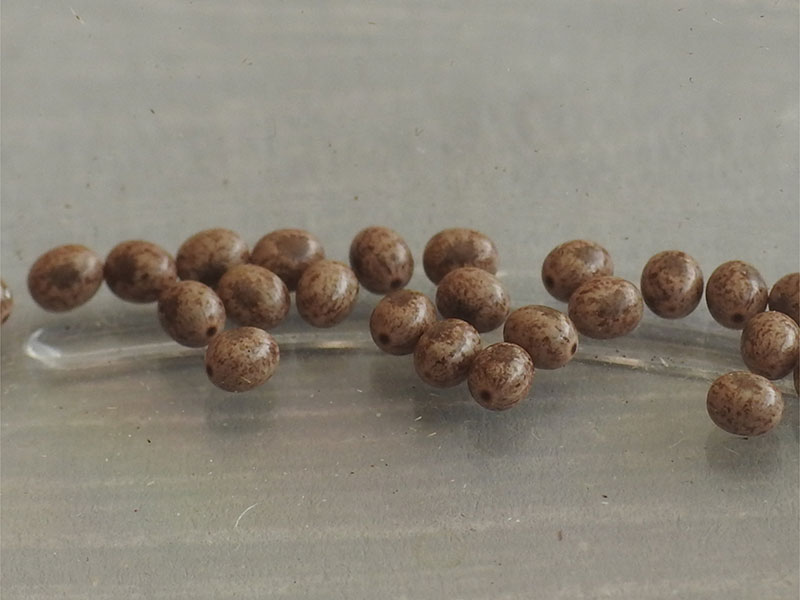
eggs East Wittering, 25 vii 2025 Photo: Mike Bailey
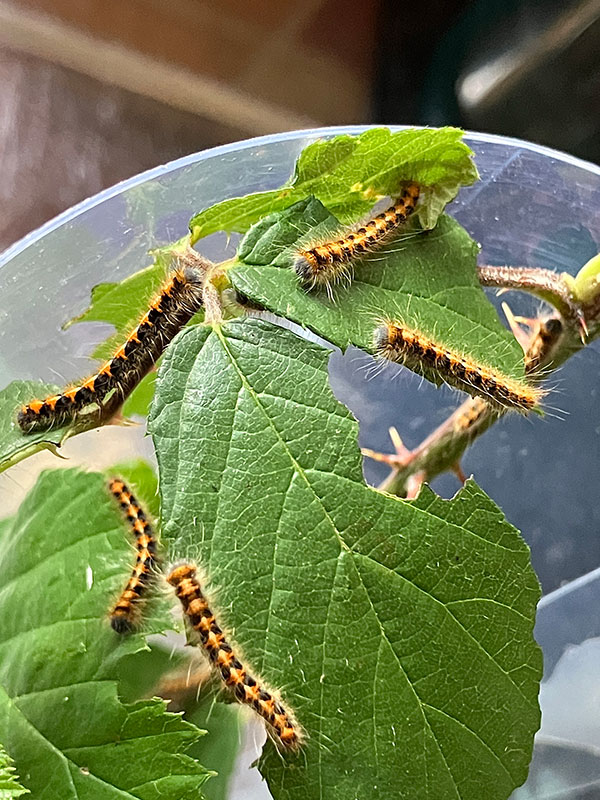
larvae Crawley Down, 27 viii 2025 Photo: Martin Williams
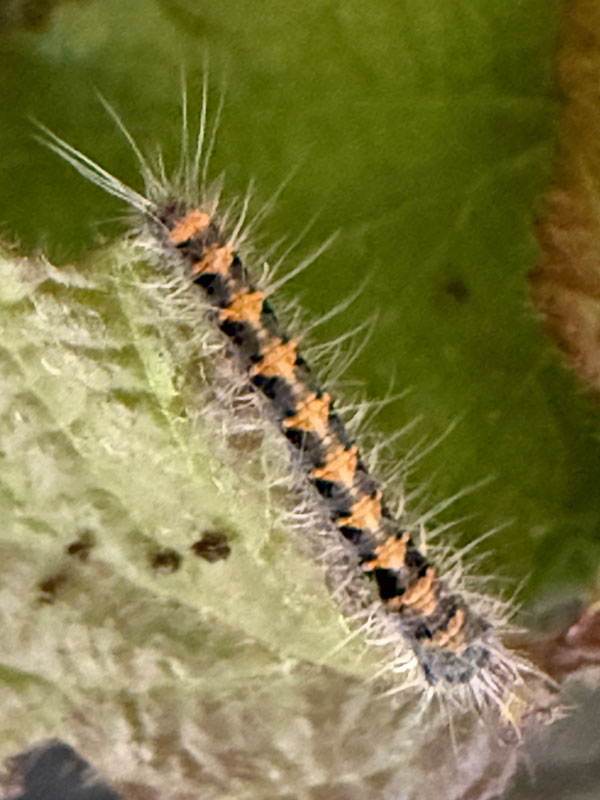
early stage larva Shoreham-by-Sea, 25 viii 2025 Photo: Alan Salter
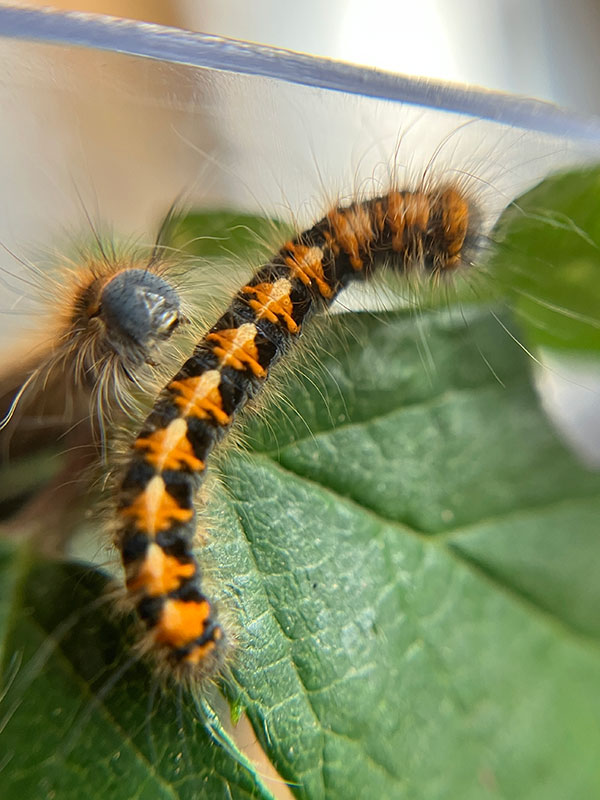
larva Crawley Down, 27 viii 2025 Photo: Martin Williams