Number of records: 712
Recorded in: 146 1km grid squares
Date of most recent record: 07 x 2024
Identification difficulty
: 2Species where care is needed for identification. Should not present any difficulty for experienced recorders, but inexperienced recorders may be expected to provide additional evidence in the form of photographs of reasonable quality that show as many of the identification features as possible or, alternatively, a specimen. Even experienced recorders may be expected to provide additional evidence if the record is outside of the normal flight period or geographical range of the species.
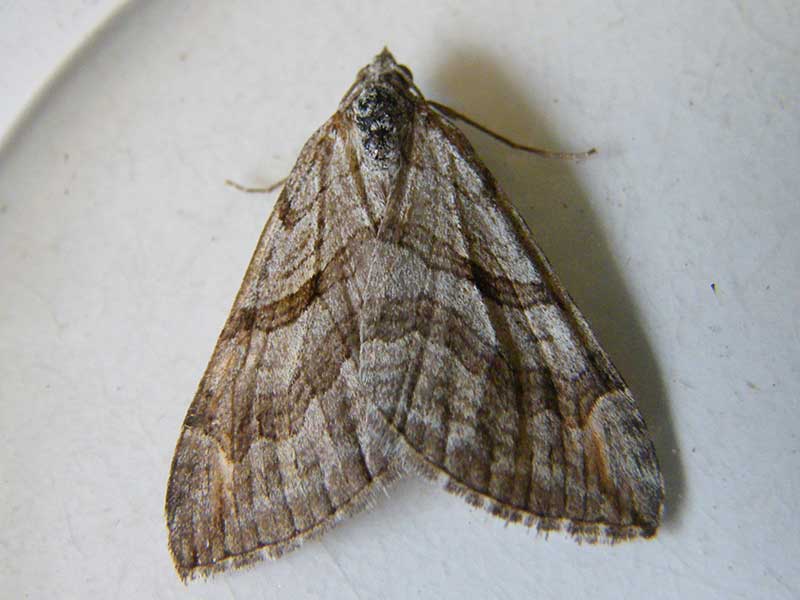
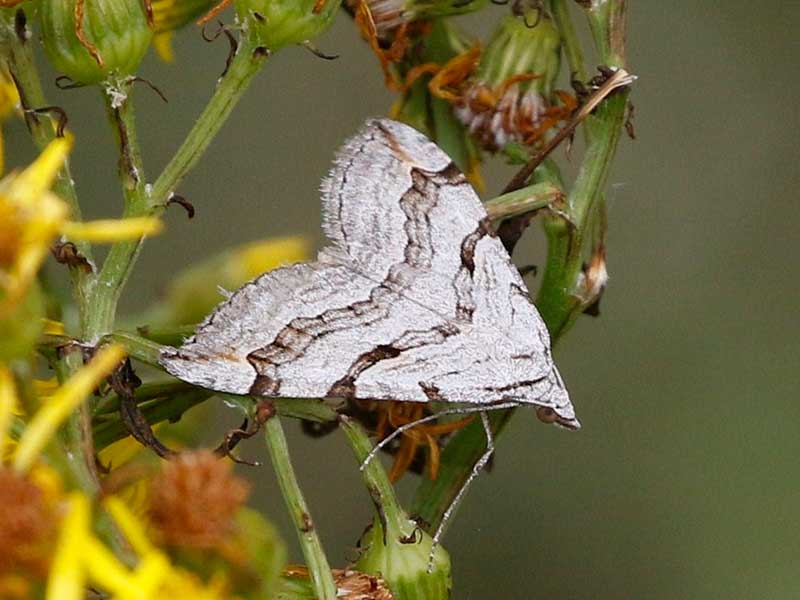
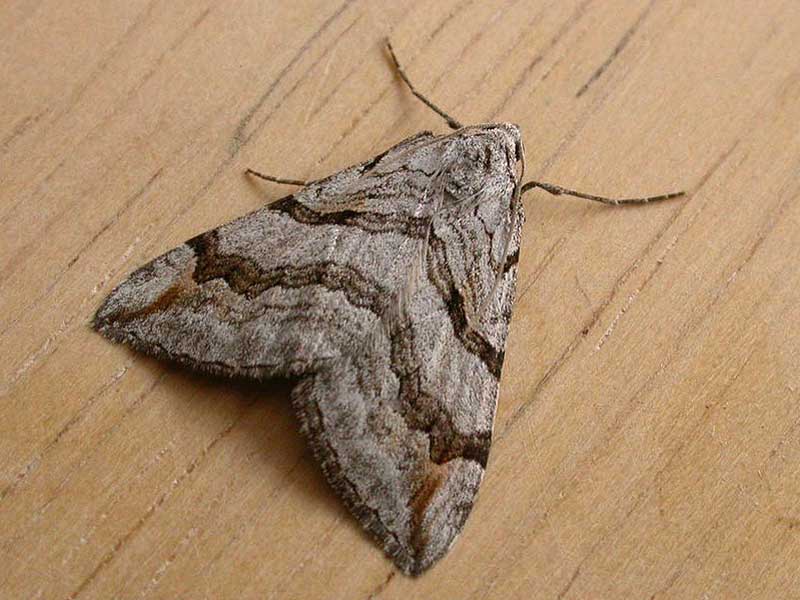
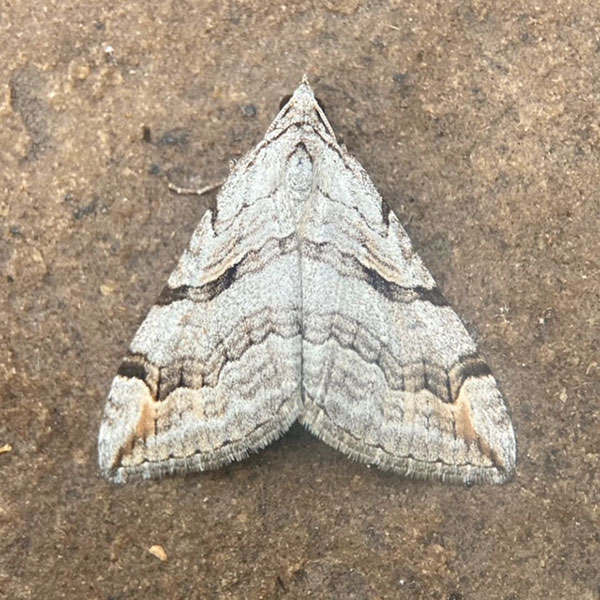
This moth normally occurs sparingly at mv light. It is seen sometimes fairly commonly in both vice-counties and is occasionally common when disturbed during the daytime at Lewes. It is widespread but declining in central districts yet, although local in numbers, it is considered to be remain well established elsewhere. This is a double-brooded species, flying mainly from the second week of May until the second week of June, and again from the third week of July until late September. The larval foodplant has not been confirmed in Sussex, but it is associated with St. John's-wort in other areas. (Pratt, 2011)
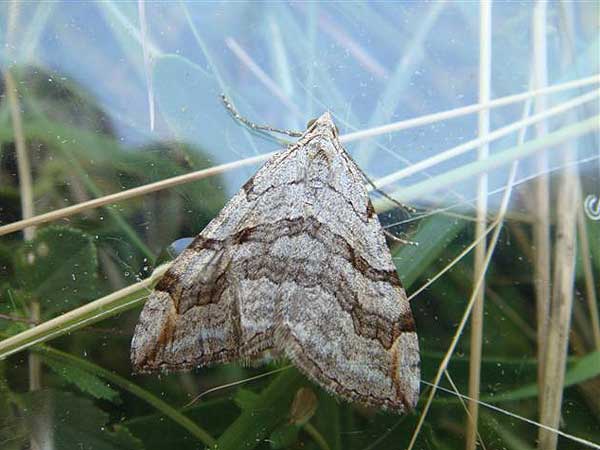
Findon, 28 viii 2021 Photo: John Christlieb
Malling Down, Lewes, 04 viii 2021 Photo: Charles Waters