Number of records: 1,305
Recorded in: 294 1km grid squares
Date of most recent record: 05 ii 2025
Identification difficulty
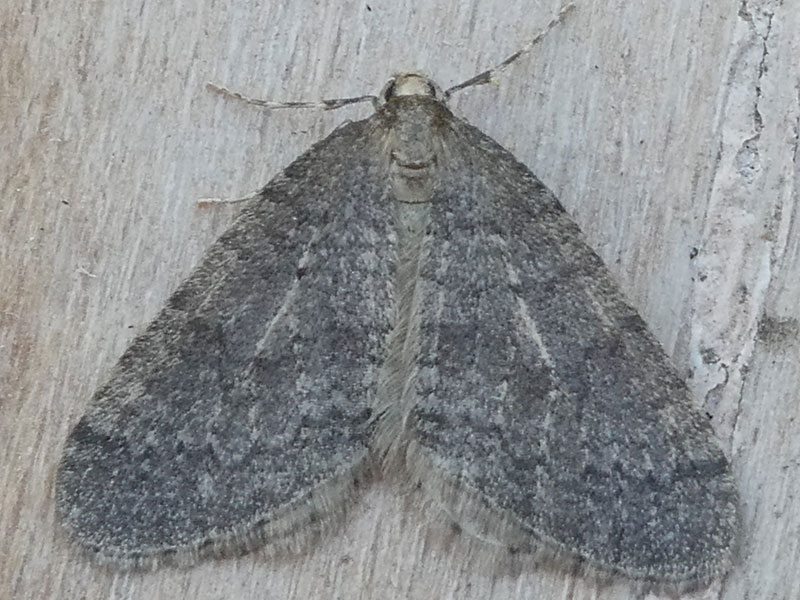
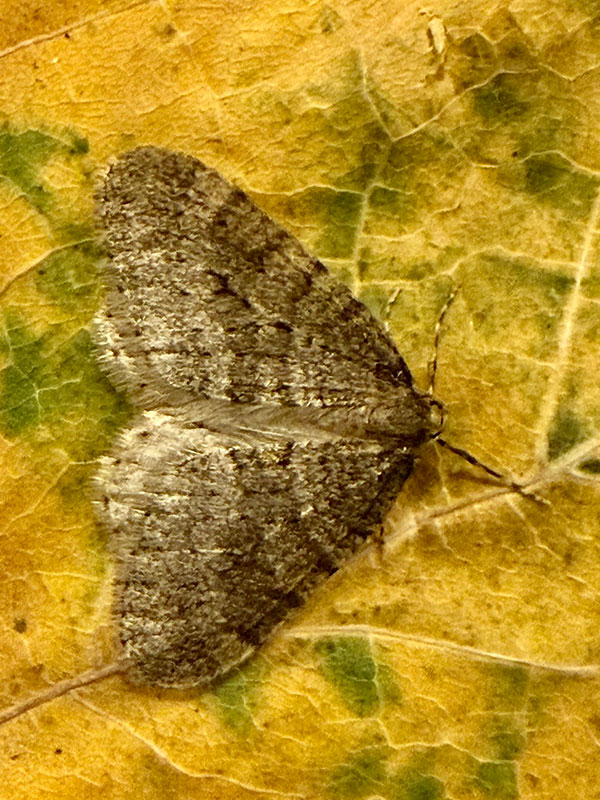
: 2Species where care is needed for identification. Should not present any difficulty for experienced recorders, but inexperienced recorders may be expected to provide additional evidence in the form of photographs of reasonable quality that show as many of the identification features as possible or, alternatively, a specimen. Even experienced recorders may be expected to provide additional evidence if the record is outside of the normal flight period or geographical range of the species.
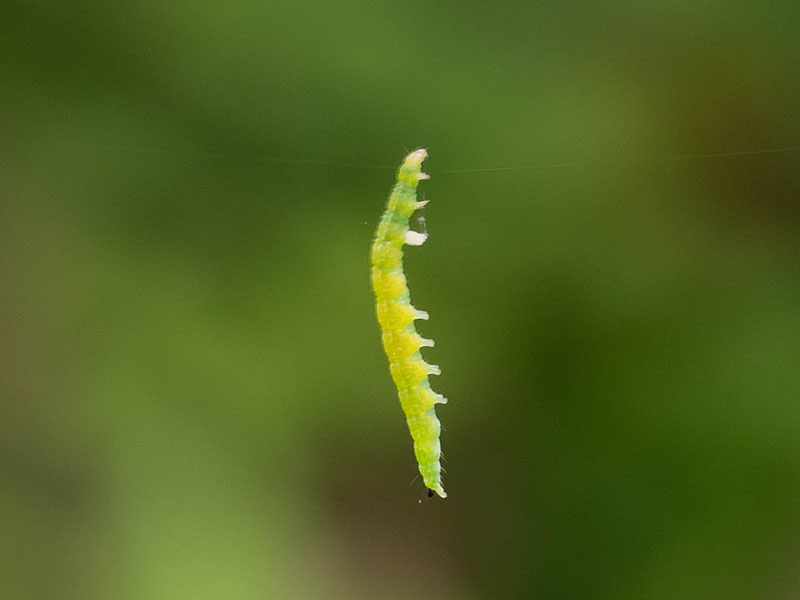
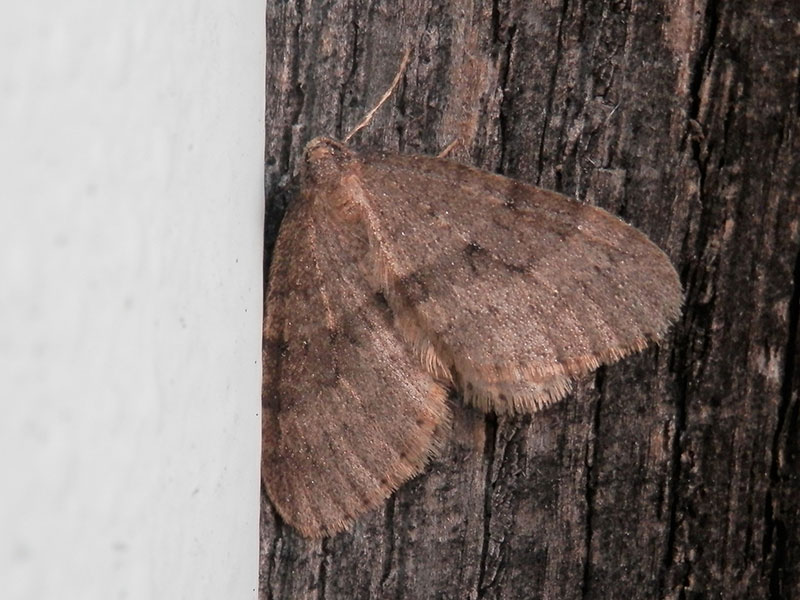
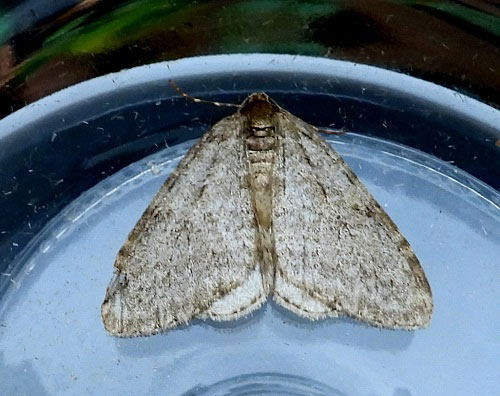
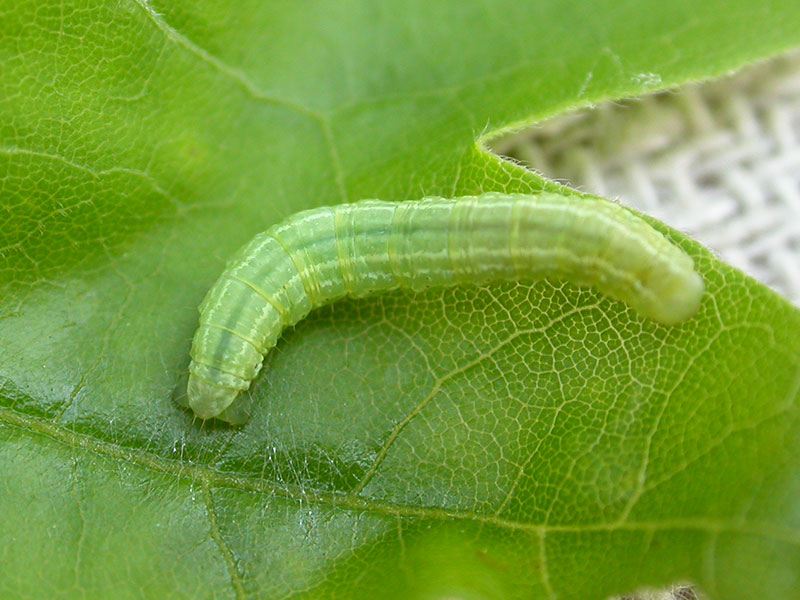
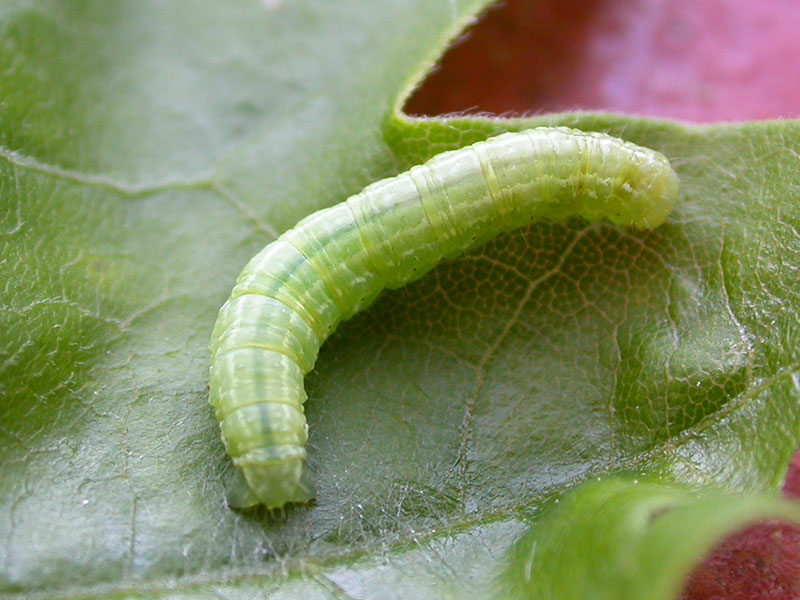
A resident species often fairly common to common at mv light in woods and bushy places throughout the county, although less frequent along treeless parts of the coast. Single-brooded flying mainly from mid October to the third week of January. Larvae feed on deciduous trees including apple, silver birch, rowan, wych elm, oak and sloe. (Pratt, 2011)
Woods Mill, 22 xi 2018 Photo: Bob Foreman
Battle, 16 v 2026 Photo: David Gardiner
Scotney Estate, 5 xii 2022 Photo: Charles Waters and Alison Playle
Henfield, 03 xii 2019 Photo: Paula Blake
Arlington Reservoir, 13 v 2015 Photo: Keith Alexander
Arlington Reservoir, 13 v 2015 Photo: Keith Alexander