Number of records: 318
Recorded in: 158 1km grid squares
Date of most recent record: 03 viii 2024
Identification difficulty
: 1Species that can be relatively easily identified even by inexperienced recorders with the use of up-to-date field guides. Such records would be accepted without the need for additional evidence as long as they conform to the normal flight period and geographical range of the species.
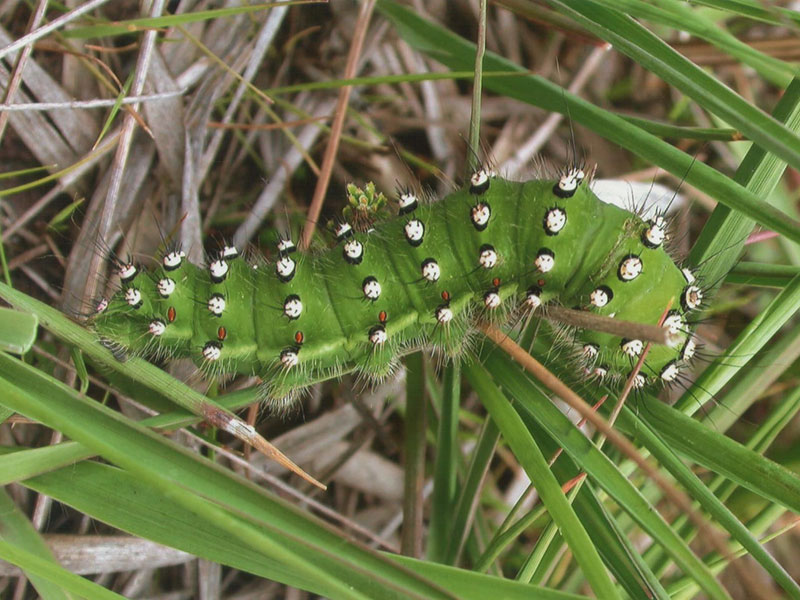
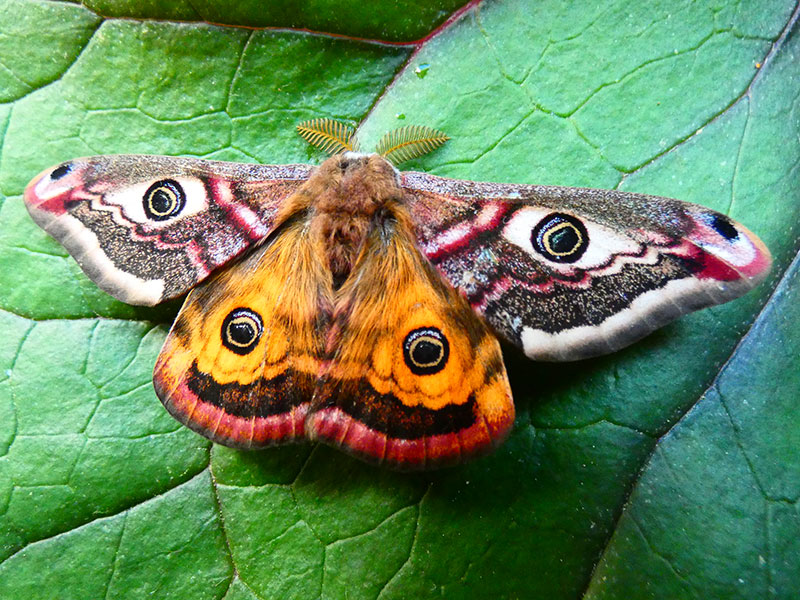
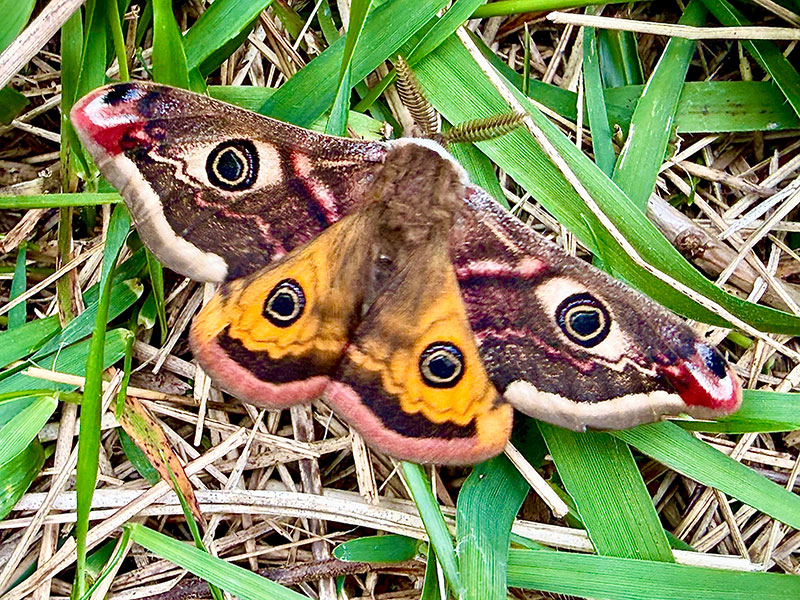
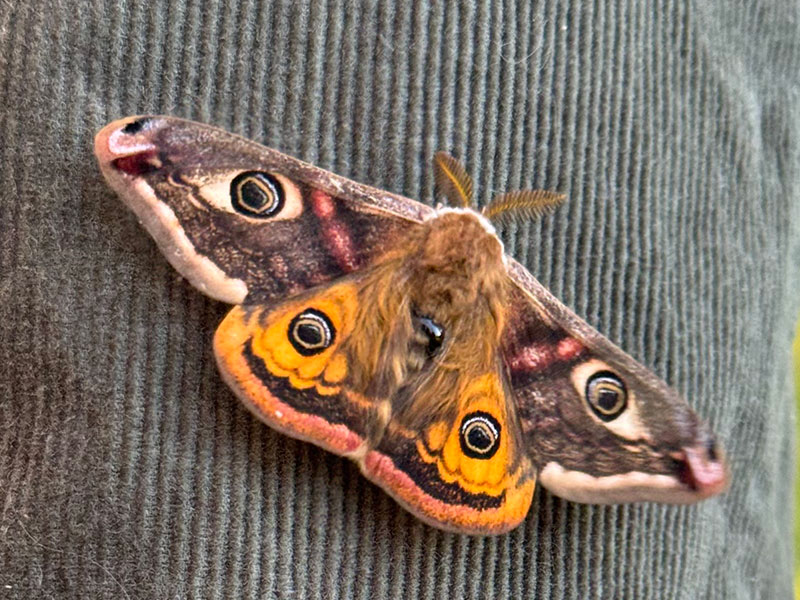
Resident. Females generally occur singly at mv light in a wide range of habitats, although males are occasionally fairly common to common by day on heath and downland. Widespread, but scarce in the far east and rare in the extreme south-western corner of the county. Single-brooded, flying mainly from mid April to late May, sometimes from early April, and occasionally from mid March or to early June. Larvae feed on bramble, heather, birch, elderberry, sallow, oak, willow, raspberry, hawthorn, Japanese quince, damson, rose and alder buckthorn. (Pratt, 2011)
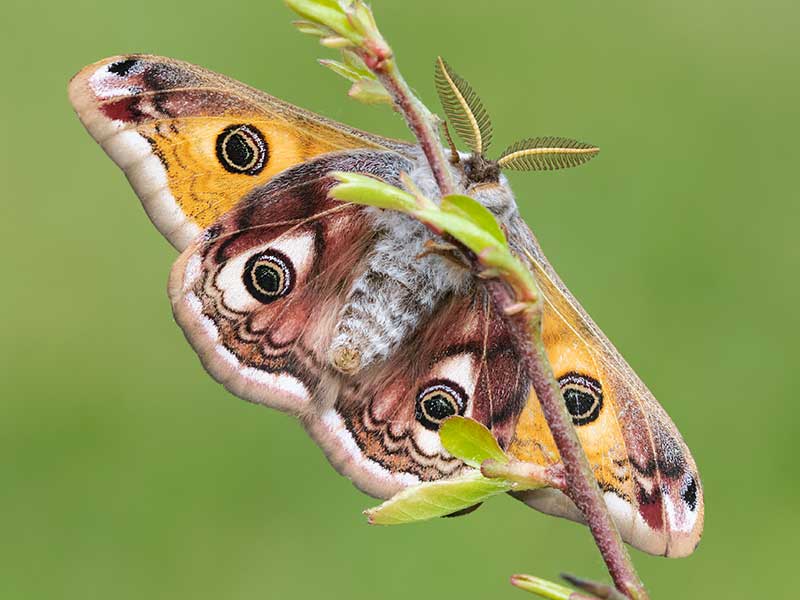
Male - under-side Seaford, 7 iv 2020 Photo: Bob Eade
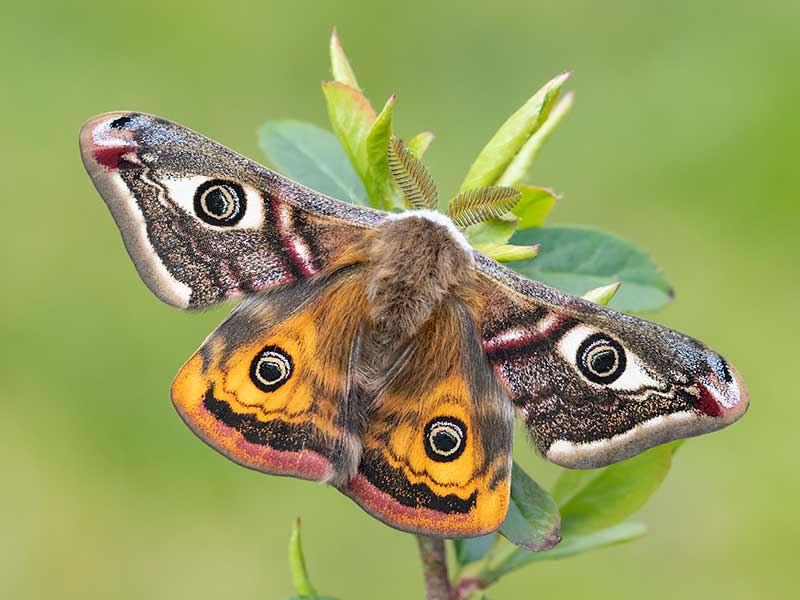
male Seaford, 1 iv 2020 Photo: Bob Eade
Ashdown Forest, 27 iv 2025 Photo: Charles Waters
Ashdown Forest, 6 iv 2025 Photo: Bill and Cheryle Spice
Ashdown Forest, 5 vii 2009 Photo: Keith Alexander
Burgess Hill, 6 4 2026 Photo: Alan Gange
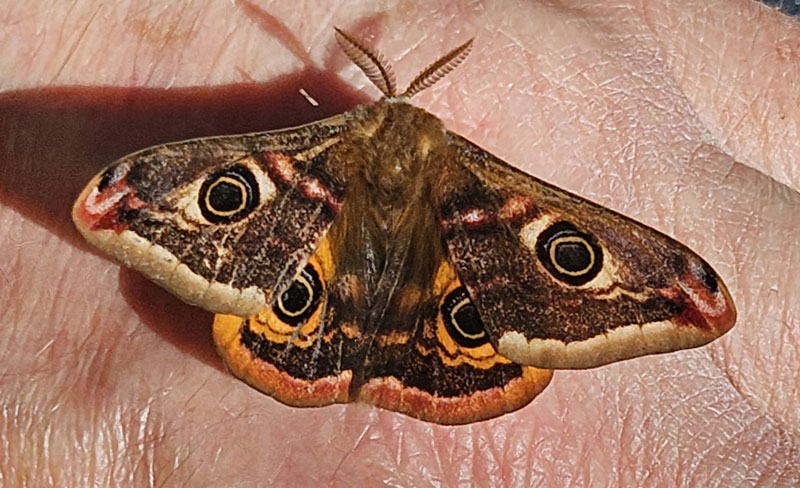
male Mill Hill LNR, 1 4 2026 Photo: Alan Salter
Plumpton Lane, Plumpton, 21 3 2026 Photo: Nick Ostler