Number of records: 417
Recorded in: 53 1km grid squares
Date of most recent record: 14 x 2024
Identification difficulty
: 1Species that can be relatively easily identified even by inexperienced recorders with the use of up-to-date field guides. Such records would be accepted without the need for additional evidence as long as they conform to the normal flight period and geographical range of the species.
Resident. In East Sussex the moth occurs sparingly at mv light but is sometimes fairly common along parts of the downs and the coast between Peacehaven and the Kent border and especially on the shingle beach at Rye. Very rare in West Sussex and in danger of extinction. Single-brooded, flying mainly from early September to late October. Larval food plant unknown in Sussex but elsewhere feeds on sea campion, wood sage, sorrel and many other plants. (Pratt, 2011)
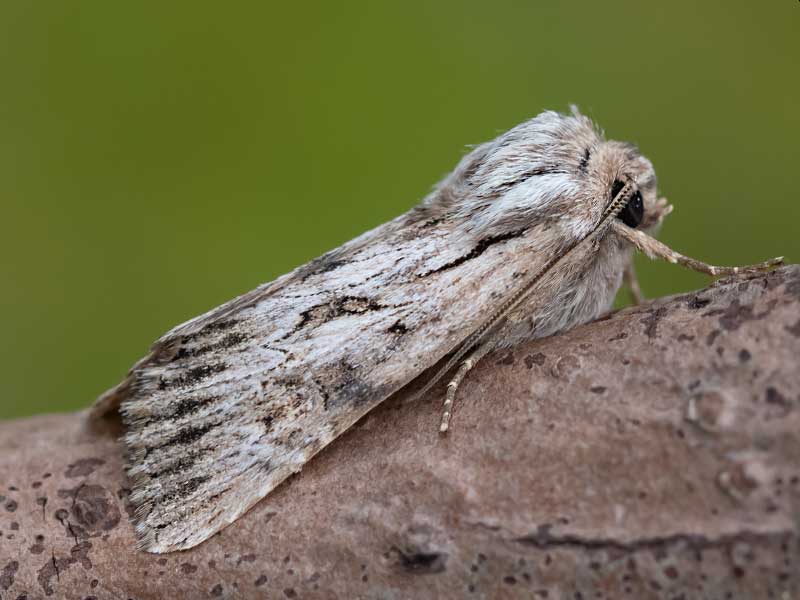
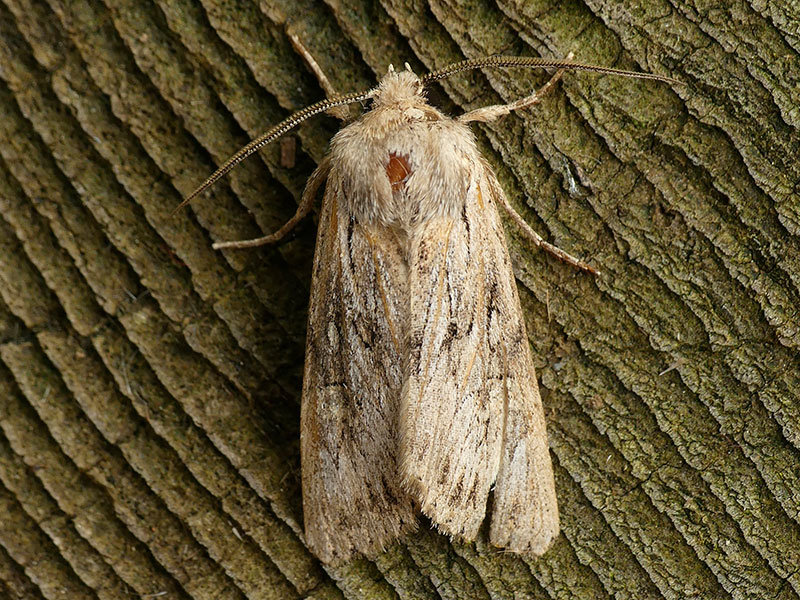
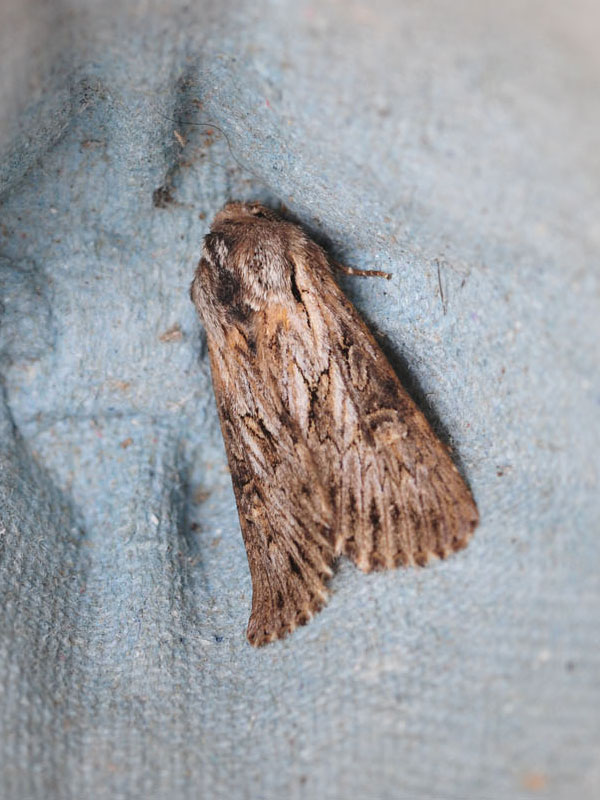
Seaford, 30 ix 2020 Photo: Bob Eade
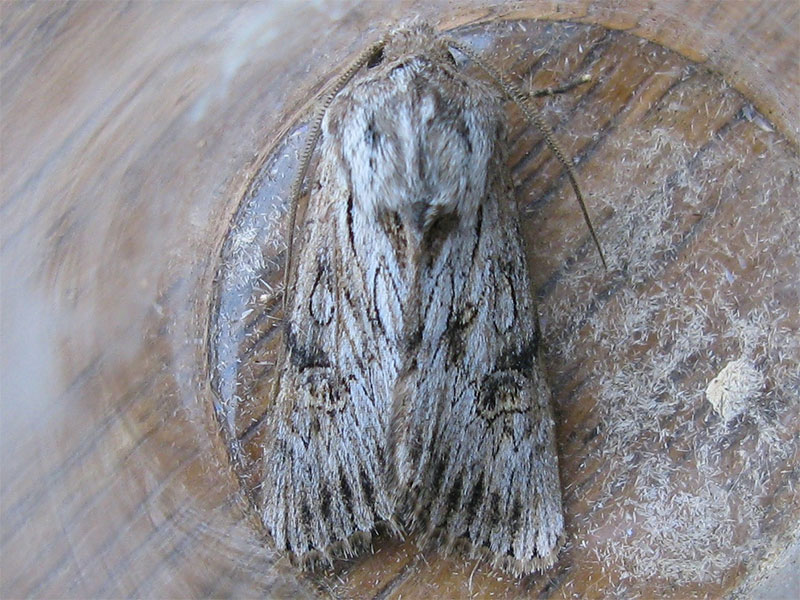
Lewes, 25 ix 2017 Photo: Peter Tinning
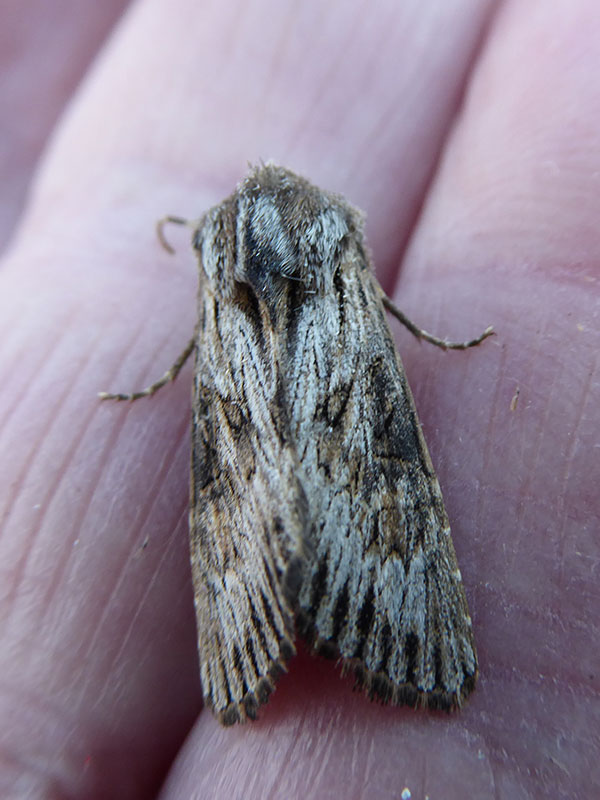
Seaford, 28 ix 2025 Photo: Peter Martin
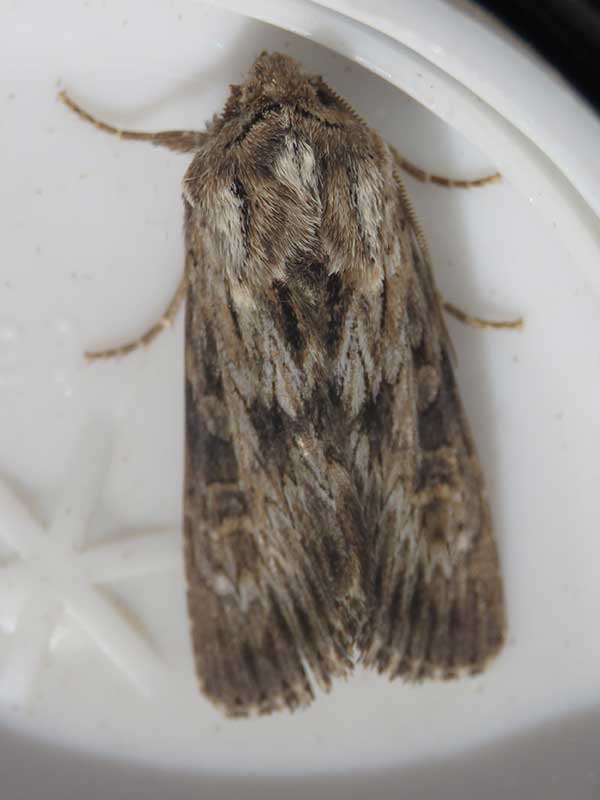
Seaford, 21 ix 2025 Photo: Peter Martin
Peacehaven, 14 ix 2020 Photo: Dave Palmer
Belton Road, Brighton, 19 ix 2014 Photo: Jeremy Patterson