Number of records: 3,338
Recorded in: 504 1km grid squares
Date of most recent record: 16 x 2024
Identification difficulty
: 1Species that can be relatively easily identified even by inexperienced recorders with the use of up-to-date field guides. Such records would be accepted without the need for additional evidence as long as they conform to the normal flight period and geographical range of the species.
Resident. Often fairly common to common at mv light in woods, but much less frequent along treeless parts of the coast. Well distributed, probably generally so, but high numbers are local. Single-brooded, flying mainly from early May to late June, sometimes from late April. Larvae feed on beech, oak, hazel, hop, sweet chestnut, birch, elm, and lime.(Pratt, 2011)
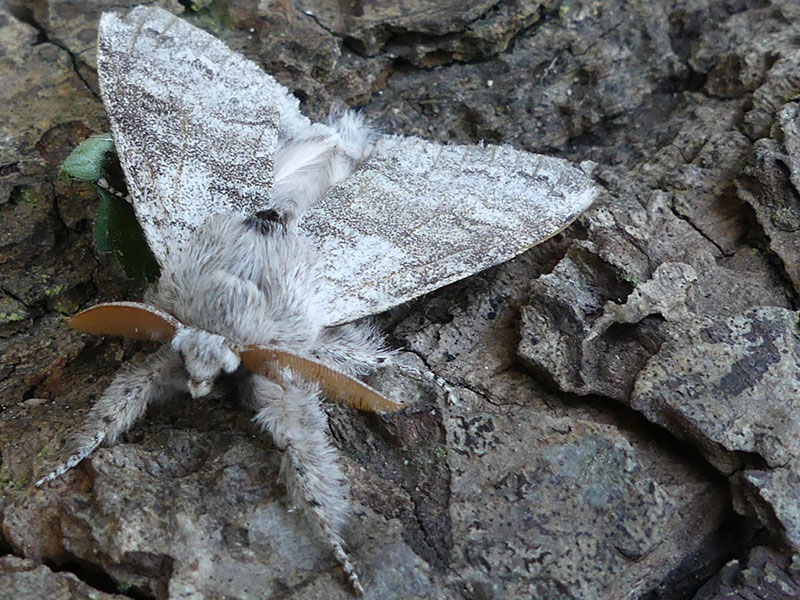
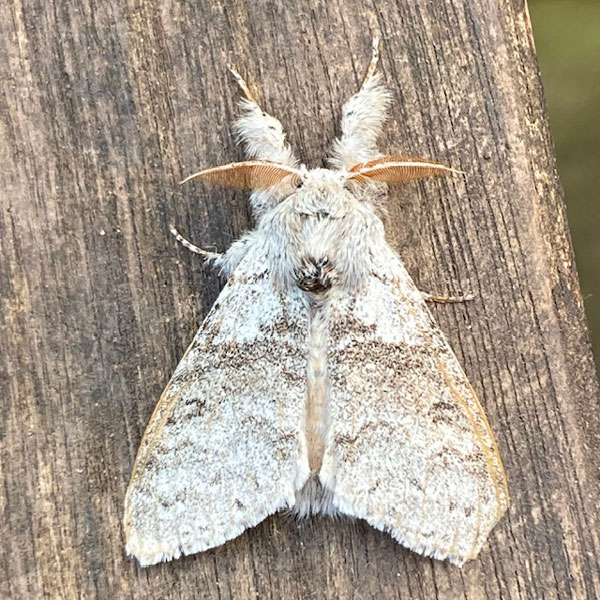
Lancing, 30 iv 2025 Photo: Mark Weston
Hastings, 1 v 2025 Photo: Martin Allen
Hailsham, 11 v 2025 Photo: Alan Hillman
Hastings, 10 vi 2025 Photo: Martin Allen
larva Uckfield, 29 ix 2025 Photo: Bill and Cheryle Spice
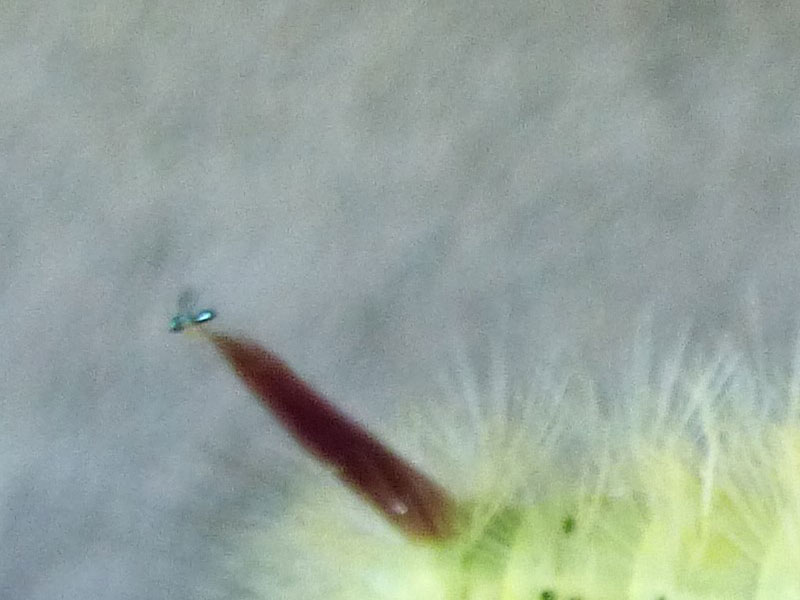
Unidentified tiny green insect on Pale Tussock larva Ringmer, 26 ix 2018 Photo: John Luck