Number of records: 38
Recorded in: 16 1km grid squares
Date of most recent record: 07 v 2024
Identification difficulty
: 1Species that can be relatively easily identified even by inexperienced recorders with the use of up-to-date field guides. Such records would be accepted without the need for additional evidence as long as they conform to the normal flight period and geographical range of the species.
Resident. In danger of extinction in East Sussex, where the moth is usually seen in singletons, although it sometimes appears sparingly at mv light in deciduous woods; presumed extinct in West Sussex, where it was last detected in 1996. Thinly distributed across the east, but very local and episodic in appearance. Double-brooded, flying mainly from late May to late June and sometimes again from late July to the third week in August. Larvae feed on aspen and "dwarf sallows" including creeping sallow. (Pratt, 2011)
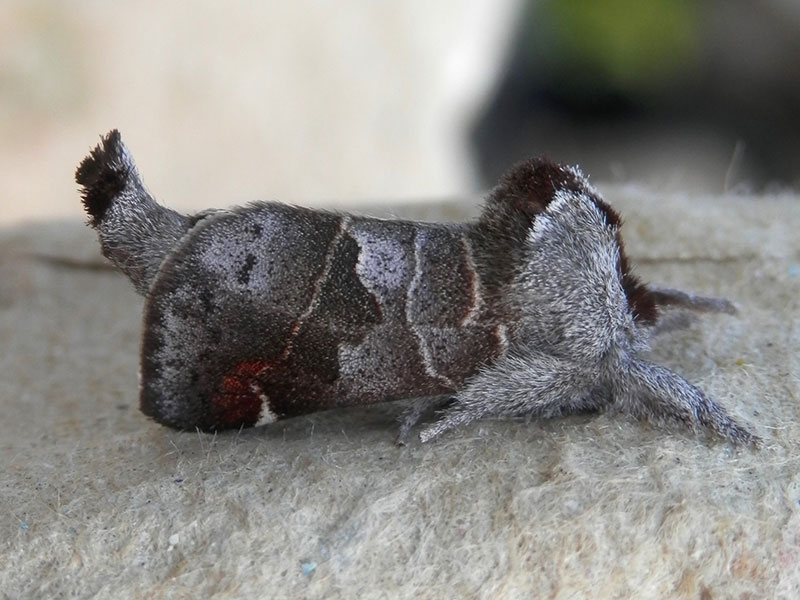
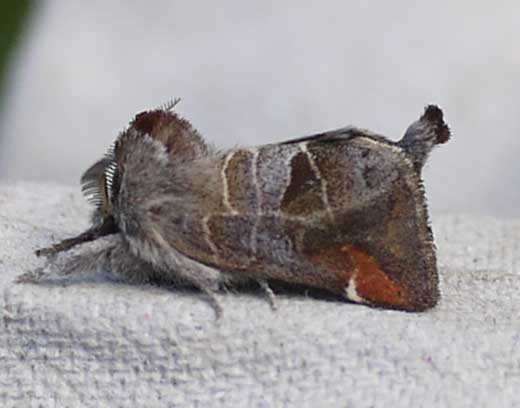
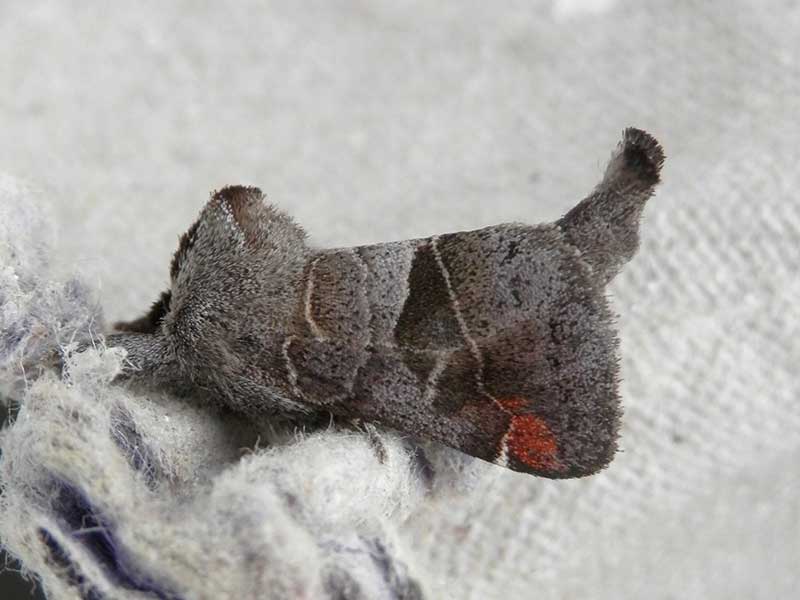
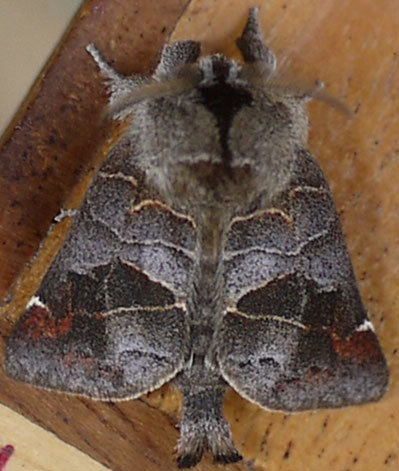
Ashdown Forest, 27 iv 2025 Photo: Charles Waters
Wych Cross, Forest Row, 15 iv 2015 Photo: Hew Prendergast
Ashdown Forest, 07 v 2021 Photo: Charles Waters
Ashdown Forest, 01 v 2022 Photo: Charles Waters
Ashdown Forest, 13 viii 2021 Photo: Charles Waters
Wych Cross, Forest Row, 11 iv 2014 Photo: Hew Prendergast