Number of records: 49
Recorded in: 20 1km grid squares
Date of most recent record: 25 vi 2023
Identification difficulty
: 2Species where care is needed for identification. Should not present any difficulty for experienced recorders, but inexperienced recorders may be expected to provide additional evidence in the form of photographs of reasonable quality that show as many of the identification features as possible or, alternatively, a specimen. Even experienced recorders may be expected to provide additional evidence if the record is outside of the normal flight period or geographical range of the species.
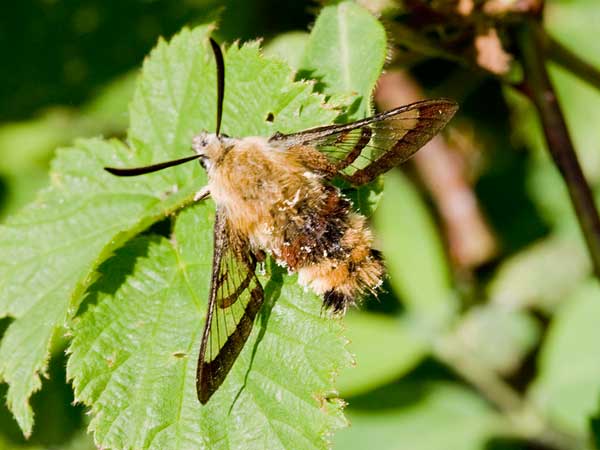
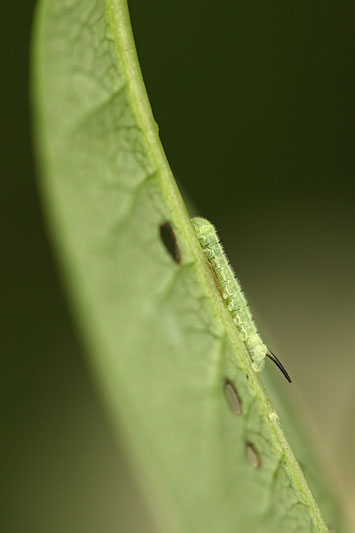
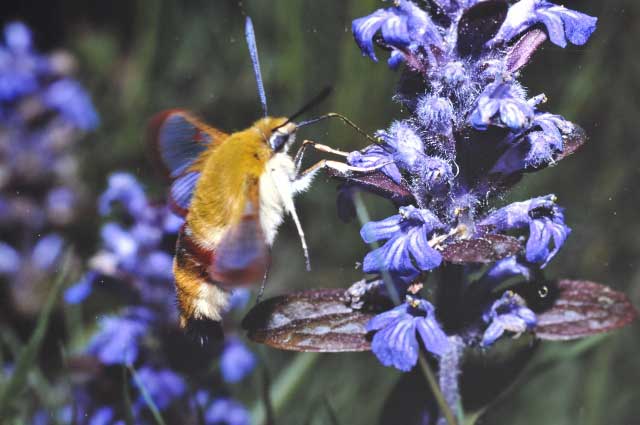
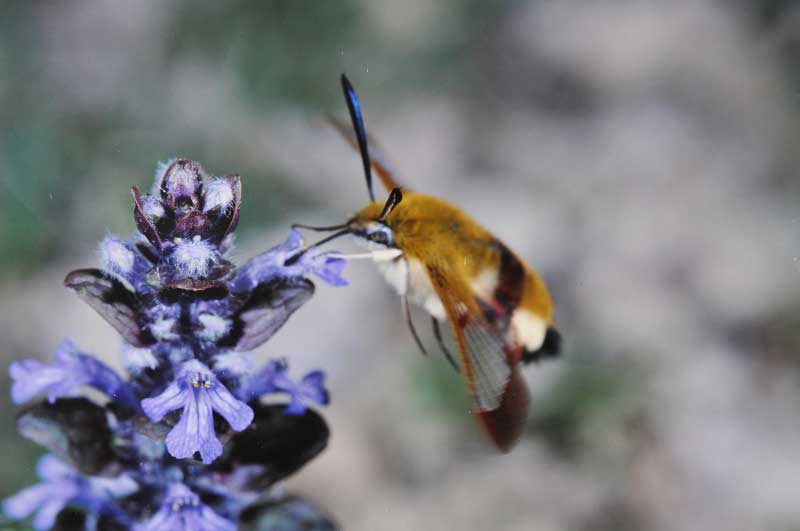
A resident moth which is in danger of extinction in both vice-counties. It usually occurs sparingly but it is occasinally fairly common in woodland glades and rides; larvae are sometimes common. Only patchily distributed in the county and currently entirely missing from large areas. Extremely local, distinctly episodic in numbers and in decline. Single-brooded, flying mainly from the second week in May to the third week of June. Larvae feed on wild honeysuckle and the introduced new zealand honeysuckle. (Pratt, 2011)